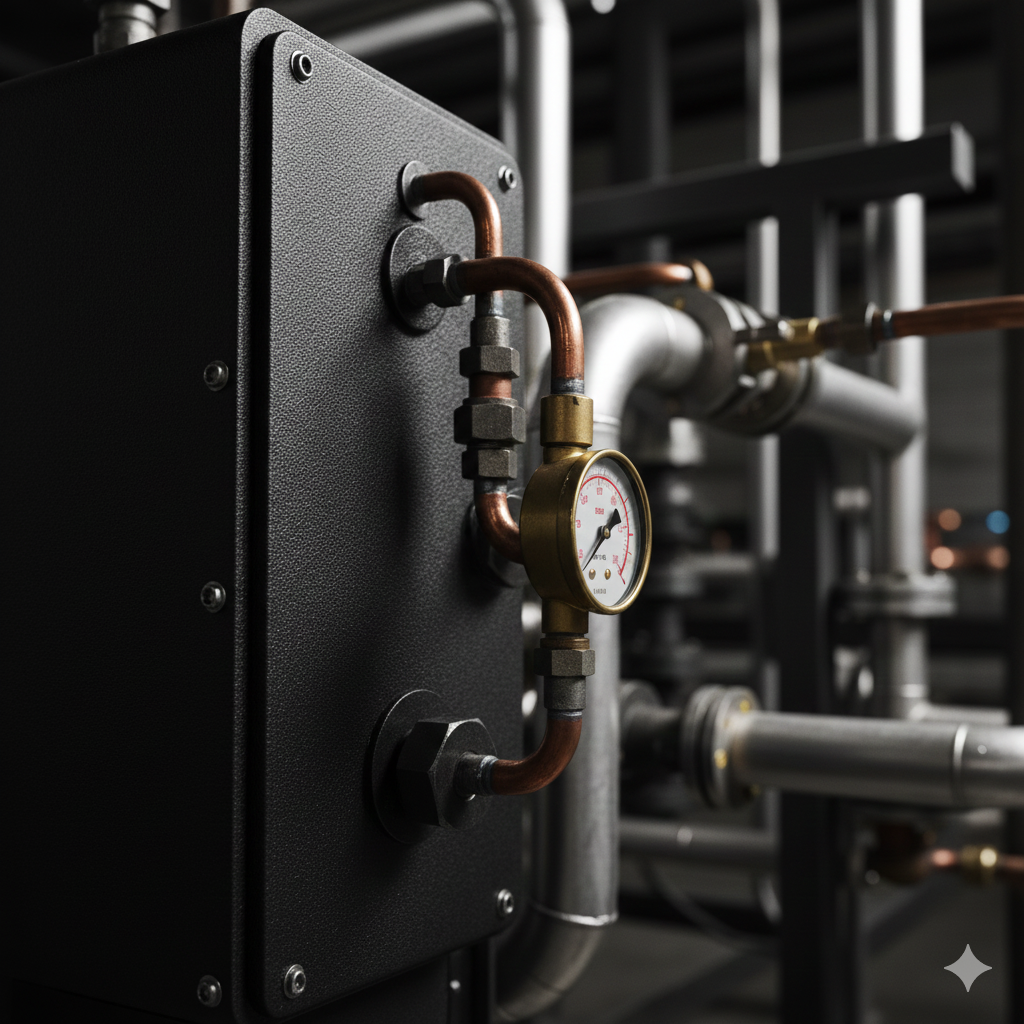
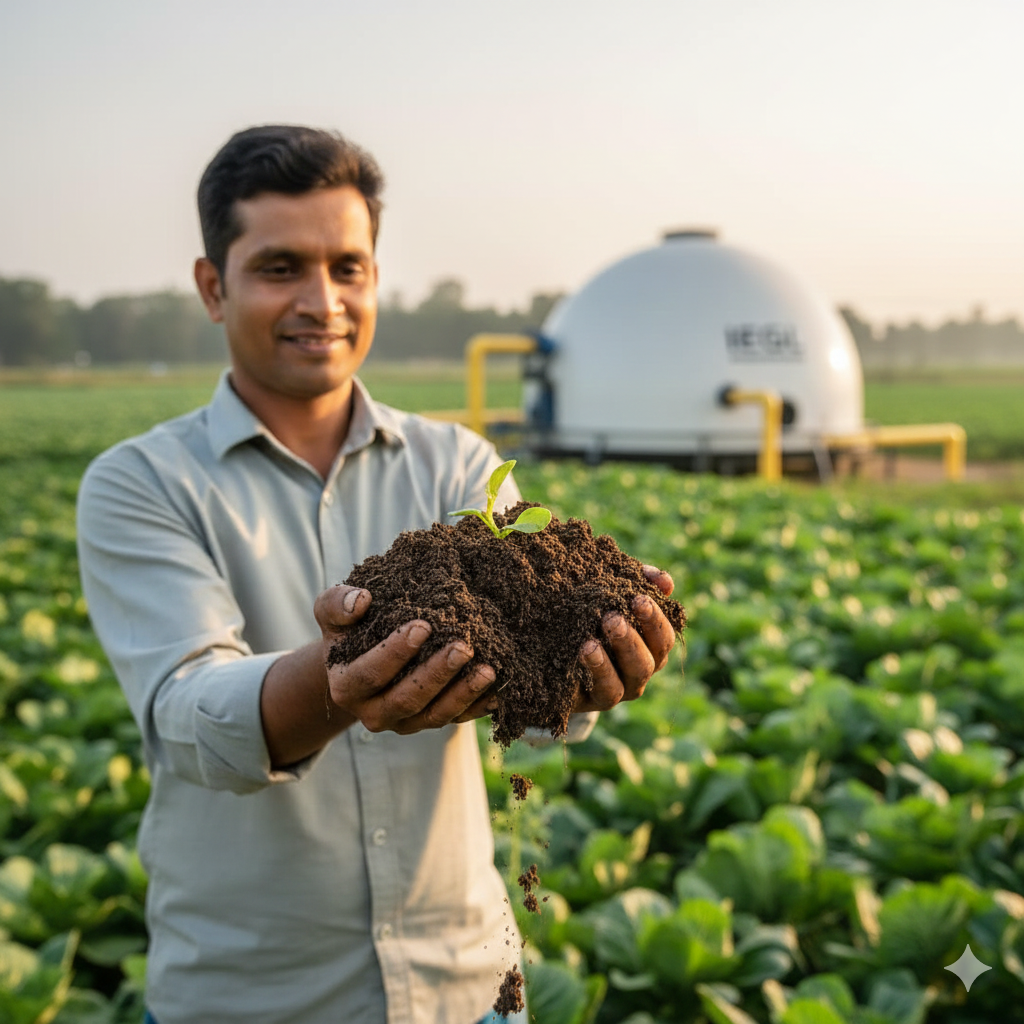
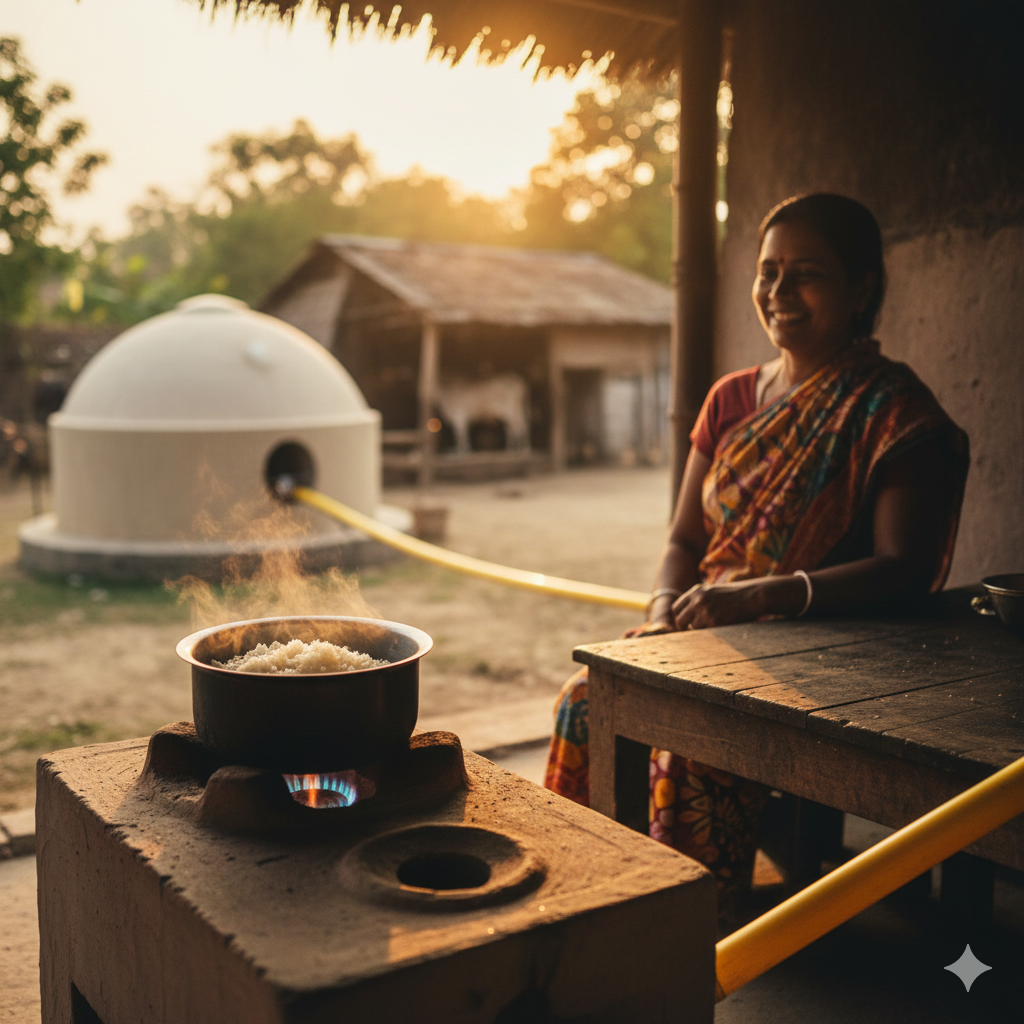
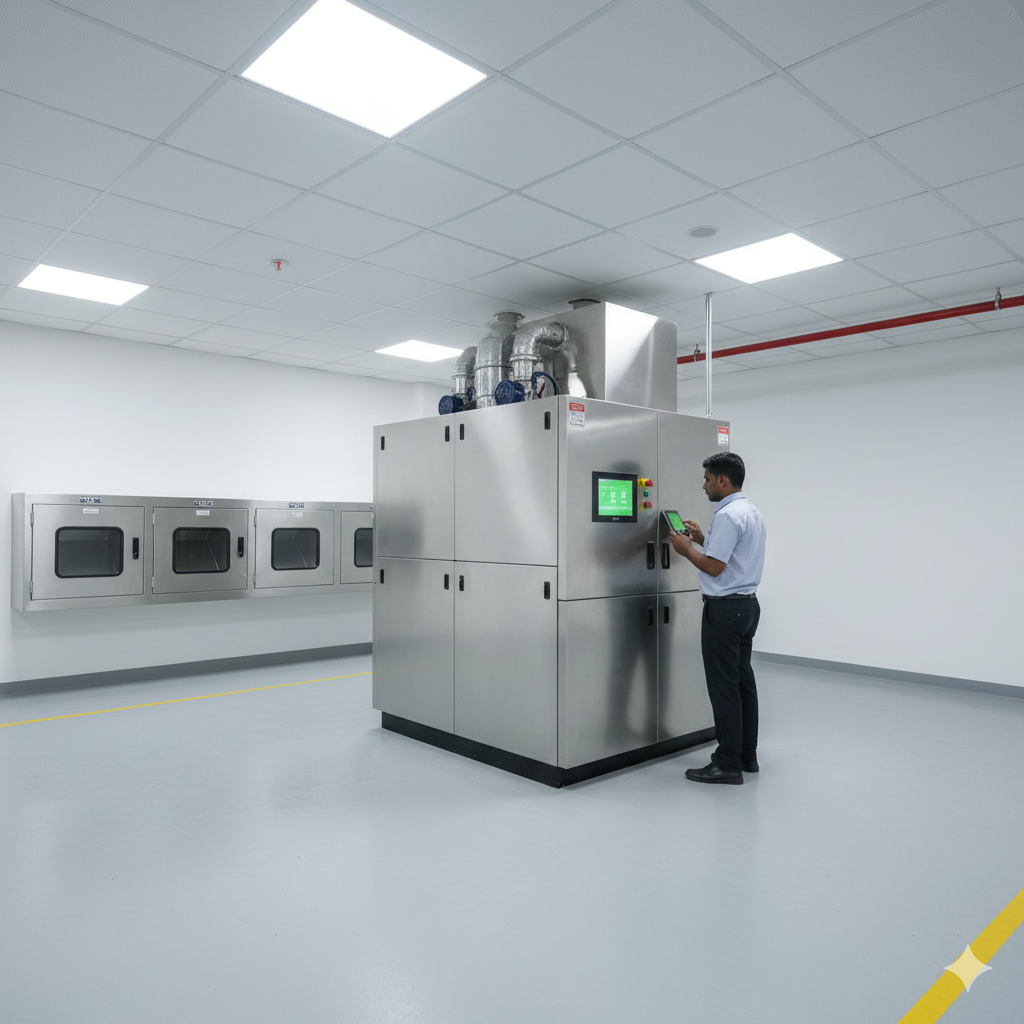
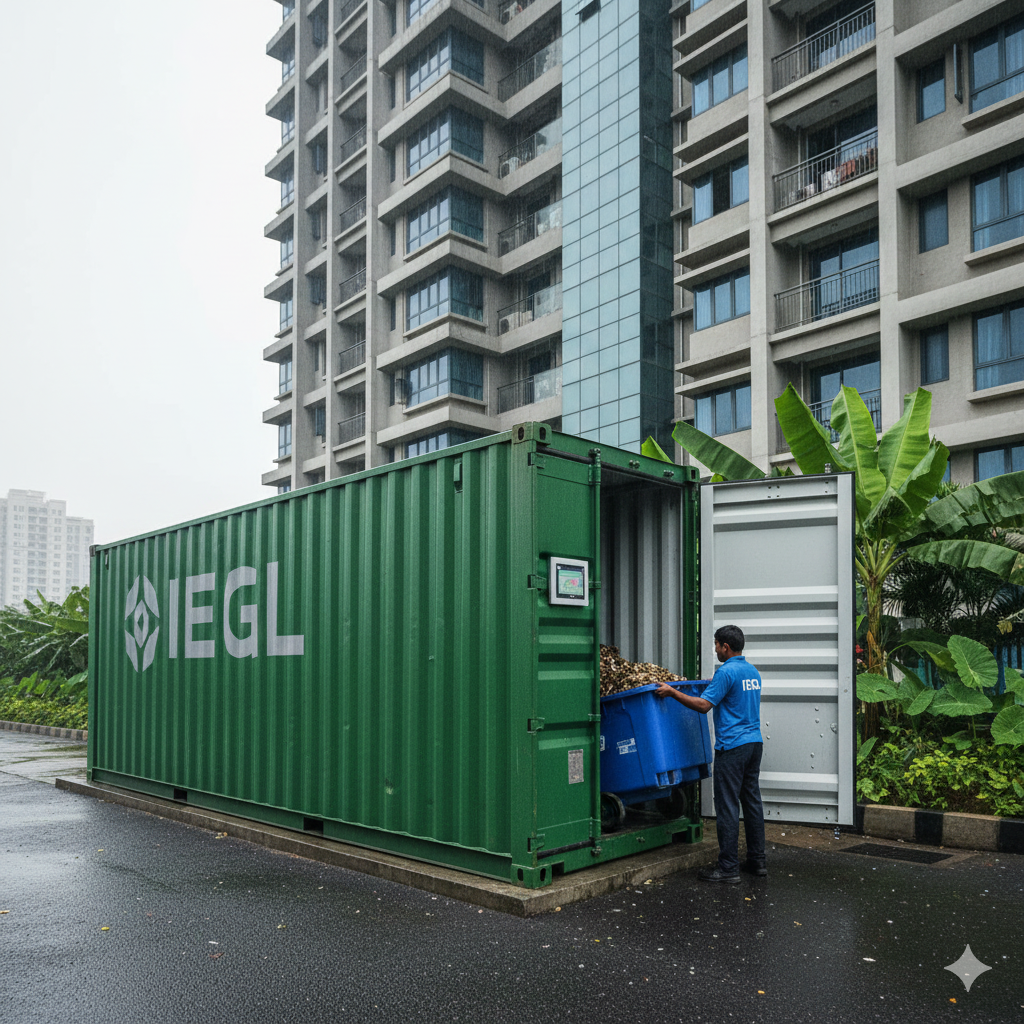
IEGL (Impact Energy Global Limited) is pioneering a transformative approach to waste management: Decentralized Waste-to-Energy (WtE) systems. These innovative solutions address waste disposal challenges at multiple scales – from individual households to entire communities – while simultaneously generating clean electricity, fostering a truly sustainable and circular economy.

 Section Image

These WtE systems are designed to process various waste streams, including municipal solid waste (MSW), food scraps, agricultural residues, and even sewage sludge. They employ advanced technologies to extract valuable energy, such as:

  1. Micro-Scale Incineration with Energy Recovery: Compact incineration units suitable for residential or small community applications, using heat from controlled burning to generate electricity or hot water.
  2. Modular Gasification Units: Scalable systems that convert waste into synthetic gas (syngas) to power generators or fuel cells for electricity production.
  3. Anaerobic Digestion Systems: Systems suitable for both household and community scales that break down organic waste in the absence of oxygen, producing biogas for cooking, heating, or electricity generation. These are particularly effective in rural settings with significant agricultural waste.

Key benefits of IEGL’s Built-in Waste-to-Energy systems include:

  1. Localized Waste Management: Reduces the need for long-distance waste transport and centralized disposal facilities.
  2. On-Site Energy Generation: Provides a reliable source of electricity directly at the point of consumption, reducing reliance on the grid.
  3. Waste Reduction: Minimizes the amount of waste sent to landfills, conserving land and reducing environmental impact.
  4. Resource Recovery: Recovers valuable materials from waste, such as nutrients from digestate (the byproduct of anaerobic digestion), which can be used as fertilizer.
  5. Improved Sanitation: Reduces odors and health risks associated with improper waste storage and handling.
  6. Enhanced Community Resilience: Provides a decentralized and resilient energy source that can withstand disruptions to the grid.

 Section Image
 Section Image

IEGL’s WtE solutions are adaptable for diverse applications, including:

  1. Individual Households: Compact anaerobic digesters for processing food waste and generating biogas for cooking.
  2. Multi-Family Housing Complexes: Modular gasification or incineration units serving apartment buildings or gated communities.
  3. Municipal Waste Management: Processing waste from cities and towns.
  4. Industrial Waste Management: Treating waste from factories and manufacturing facilities.
  5. Agricultural Waste Management: Converting agricultural residues and animal manure into energy, especially in rural communities.

The Critical Need for Decentralized Waste-to-Energy in Bangladesh: Powering Homes & Communities Sustainably

 Section Image

Bangladesh faces a particularly acute need for decentralized WtE solutions due to:

  1. Rapid Urbanization and Housing Development: As cities grow, managing waste from densely populated residential areas becomes a major challenge. Built-in WtE systems offer a space-saving and environmentally friendly solution.
  2. Limited Landfill Capacity Near Urban Centers: The lack of available land near cities makes long-distance waste transport costly and unsustainable. On-site WtE reduces the need for landfills.
  3. Energy Poverty in Rural Areas: Many rural communities lack reliable access to electricity. WtE systems can provide a decentralized source of clean energy, improving living standards and enabling economic development.
  4. Public Health Concerns in Informal Settlements: Improper waste management in slums and informal settlements poses significant health risks. WtE systems offer a more sanitary and sustainable approach to waste disposal.
  5. Government Support for Renewable Energy: The Bangladeshi government is actively promoting renewable energy and waste management solutions. IEGL’s WtE systems align with these policy goals.

IEGL: Empowering Homes and Communities with Waste-to-Energy in Bangladesh

 Section Image

IEGL is committed to pioneering this innovative approach to waste management and energy generation in Bangladesh. We stand out because of:

  1. Our Holistic Approach to Sustainability: We believe in creating solutions that address both waste and energy challenges simultaneously. Our WtE systems are designed to maximize environmental and economic benefits.
  2. Tailored Solutions for Diverse Needs: We offer a range of WtE technologies suitable for different scales and waste types. Our team works closely with households, communities, and municipalities to design systems that meet their specific requirements.
  3. Emphasis on Community Engagement: We believe that community involvement is essential for the success of WtE projects. We work closely with local stakeholders to ensure that our solutions are culturally appropriate and socially beneficial.
  4. Comprehensive Support and Training: We provide training and technical support to ensure that our WtE systems are operated effectively and sustainably.
  5. Affordable Financing Options: We work with financial institutions to offer a range of financing options, making WtE systems accessible to households, communities, and municipalities.

IEGL’s Built-in Waste-to-Energy solutions offer a transformative approach to building more sustainable and resilient communities in Bangladesh. By choosing IEGL, you’re not just managing waste; you’re investing in a cleaner, healthier, and more prosperous future for your home, your community, and our country. Let’s turn waste into a resource, empowering Bangladesh from the ground up!